
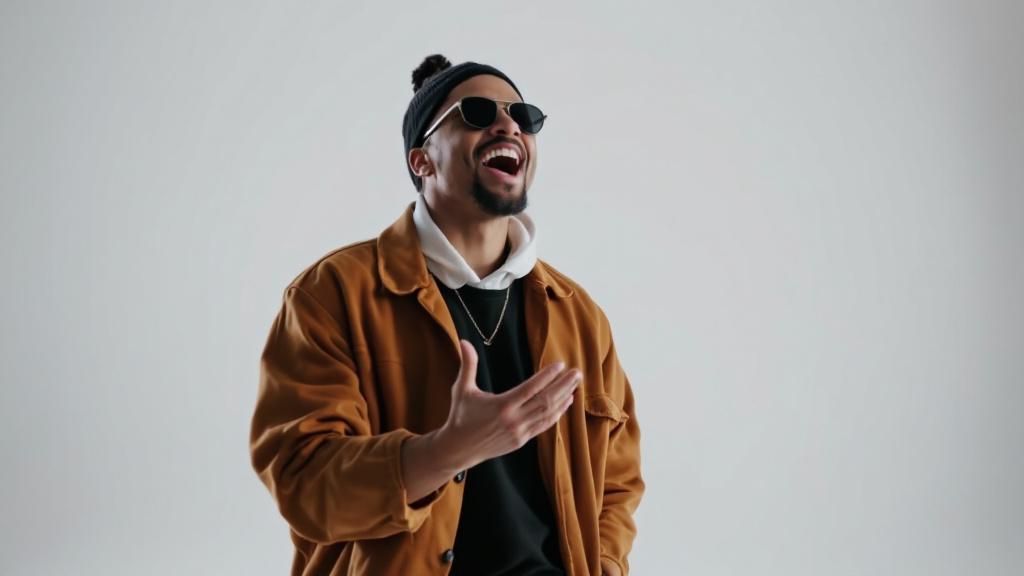
In an increasingly digital environment, social media has dramatically reshaped how audiences discover, consume, and engage with music. A celebrated musician previously revealed candid insights into this major upheaval, investigating how platforms like TikTok, Instagram, and YouTube have revolutionised the entertainment industry. From broadening access to emerging artists to disrupting traditional record label models, social media’s influence is beyond question. This article examines the opportunities and challenges facing modern musicians, probing how they’re adapting their strategies to thrive in an era where trending clips can propel artists to fame overnight.
The Emergence of Direct Fan Engagement
Social media has profoundly reshaped the relationship between musicians and their audiences, eliminating conventional gatekeepers that once managed direct contact between performers and listeners. Platforms such as Instagram, TikTok, and Twitter now allow performers to share their artistic development, personal thoughts, and unreleased material to vast audiences in real time. This remarkable openness has fostered more meaningful bonds between artists and their supporters, turning inactive consumers into involved advocates who feel authentically engaged with an artist’s journey and career trajectory.
The implications of this direct engagement are profound and multifaceted. Artists can now collect instant responses on new material, explore ideas with their listeners before formal distribution, and build dedicated fanbases that deliver crucial assistance throughout their professional lives. Furthermore, this accessibility of platforms has empowered emerging musicians to build substantial fanbases without external backing, bypassing the gatekeeping mechanisms that conventionally shaped the entertainment industry. Consequently, the conventional balance of power between record labels, promoters, and artists have shifted considerably, opening fresh avenues for creative control and economic self-sufficiency.
Difficulties of Always-On Connectivity
Whilst social media has unquestionably opened doors for aspiring musicians, the unending requirement for perpetual content output presents considerable obstacles. Artists now find themselves compelled to uphold an virtually uninterrupted online presence, crafting engaging posts, stories, and videos to sustain audience interest and algorithmic favour. This pressure diverts valuable resources and focus from the creative process itself, risking damage to the quality of musical output. Furthermore, the expectation to be continuously available can exact a significant cost on psychological wellbeing, as musicians contend with public scrutiny, hostile remarks, and the concern about sustaining relevance in an increasingly saturated virtual landscape.
The algorithmic nature of digital social networks generates additional complications for artists pursuing sustainable careers. Achievement is not based exclusively on talent or artistic merit; instead, it depends heavily upon grasping how platforms work, posting schedules, and content trends. This lack of predictability means that even exceptionally talented artists may struggle to gain traction, whilst others achieve viral success by being novel rather than genuine artistry. Moreover, the transient nature of social media attention means that sustaining success demands constant reinvention, leaving musicians trapped within an exhausting cycle of adaptation and performance that frequently seems disconnected from genuine artistic creation.
The Future of Musical Content and Digital Platforms
The trajectory of the music industry appears fundamentally connected to the evolution of digital platforms. As AI and machine learning continue to advance, personalised music recommendations will become ever more advanced, significantly transforming how listeners discover new artists. Music streaming platforms are investing heavily in algorithmic curation, which promises to democratise exposure further whilst concurrently generating questions about artistic value and market sustainability. The musician emphasised that adaptability will be paramount for those aiming for lasting success in this swiftly evolving landscape.
Rising technologies present both novel prospects and substantial difficulties for today’s musicians. immersive concert events, blockchain-based royalty systems, and non-fungible tokens constitute frontier territories that musicians are starting to investigate in exploratory fashion. However, the sustainability of these innovations stays questionable, and numerous artists voice doubt regarding their long-term viability. The industry consensus indicates that whilst innovation is necessary, preserving genuine engagement with listeners through established channels stays equally vital for creating sustained professional success and fostering authentic audience commitment.
Looking ahead, accomplished musicians will probably adopt combined approaches that utilise social media’s platform whilst maintaining artistic vision and creative ownership. The democratization of production tools means that home-based creators now stand shoulder to shoulder with professional studios, significantly reshaping industry structures. Yet, the human factor—narrative craft, emotional resonance, and genuine connection—cannot be duplicated by technology or algorithms. The musician determined that this equilibrium of innovation and authenticity will eventually define the future generation of music industry achievement.
